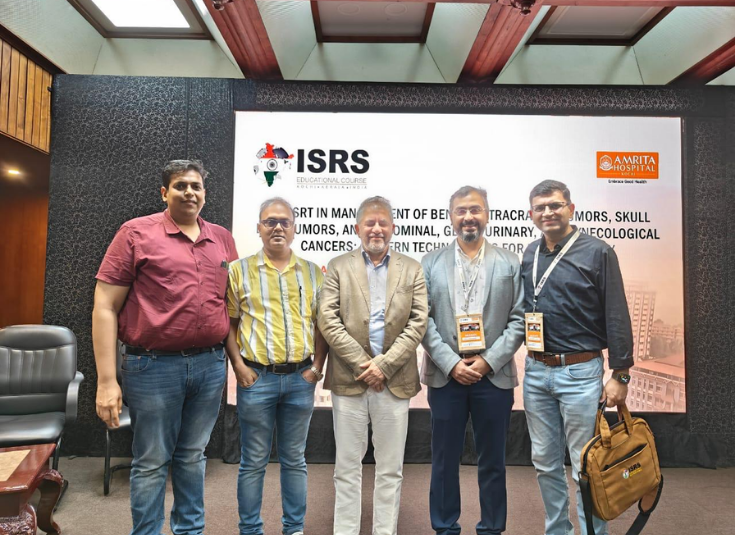
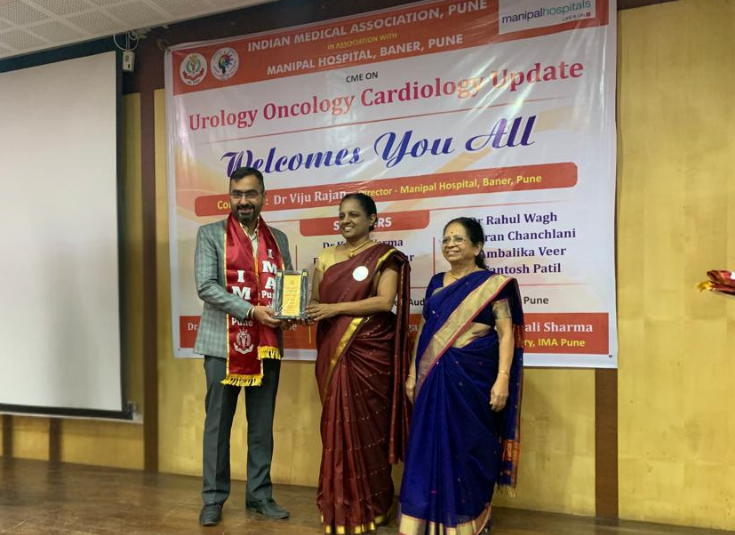
Dr. Karan Chanchlani is a distinguished Radiation and Clinical Oncologist at Manipal Hospital, Baner, Pune, bringing over 12 years of dedicated experience in cancer care. He completed his MBBS from Seth G.S. Medical College and KEM Hospital, Mumbai, followed by an MD in Radiotherapy from PGIMER, Chandigarh. Further honing his expertise, he underwent senior residency training at Tata Memorial Hospital, Mumbai, one of India's premier cancer institutes.
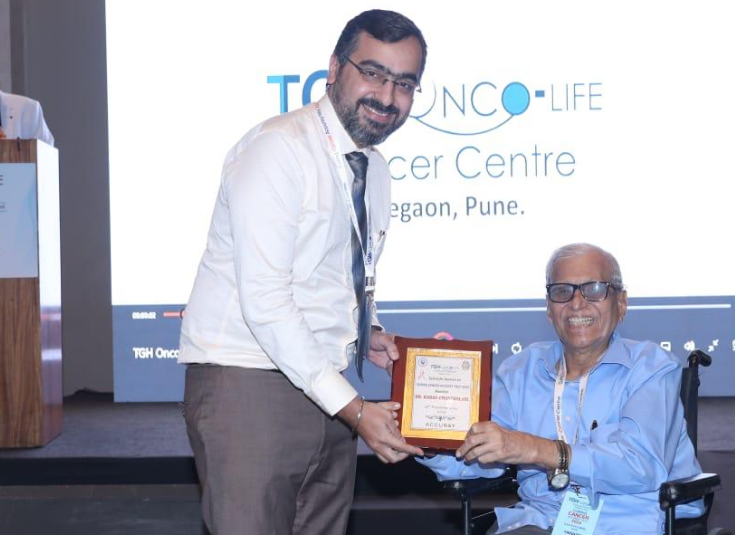
Dr. Chanchlani has a rich professional background, having served as a Radiation Oncologist at Onco Life Cancer Centre before joining Manipal Hospitals in 2020. His clinical acumen and compassionate approach have earned him recognition among patients and peers alike. He is known for his ability to simplify complex medical information, ensuring patients are well-informed and comfortable with their treatment plans.
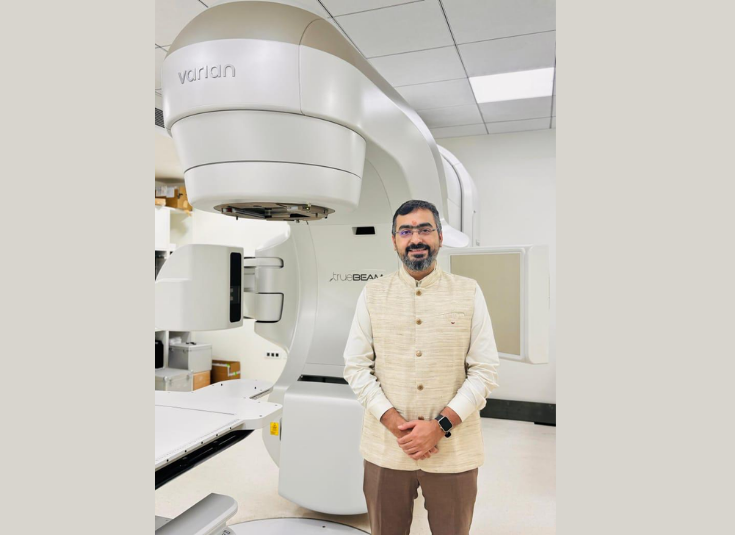
At Manipal Hospital, Baner, Dr. Chanchlani offers state-of-the-art cancer treatments, including advanced radiation therapies, to provide comprehensive care tailored to individual patient needs.

- Call Us: 9855980789
- Email Us: karan_gsmc@yahoo.co.in
Dr. Karan Chanchlani – Leading Radiation Oncologist in Pune
Providing advanced cancer care with precision and compassion

Expert in 3D Conformal Radiation and IMRT Therapy
Treating tumors effectively with modern radiation techniques
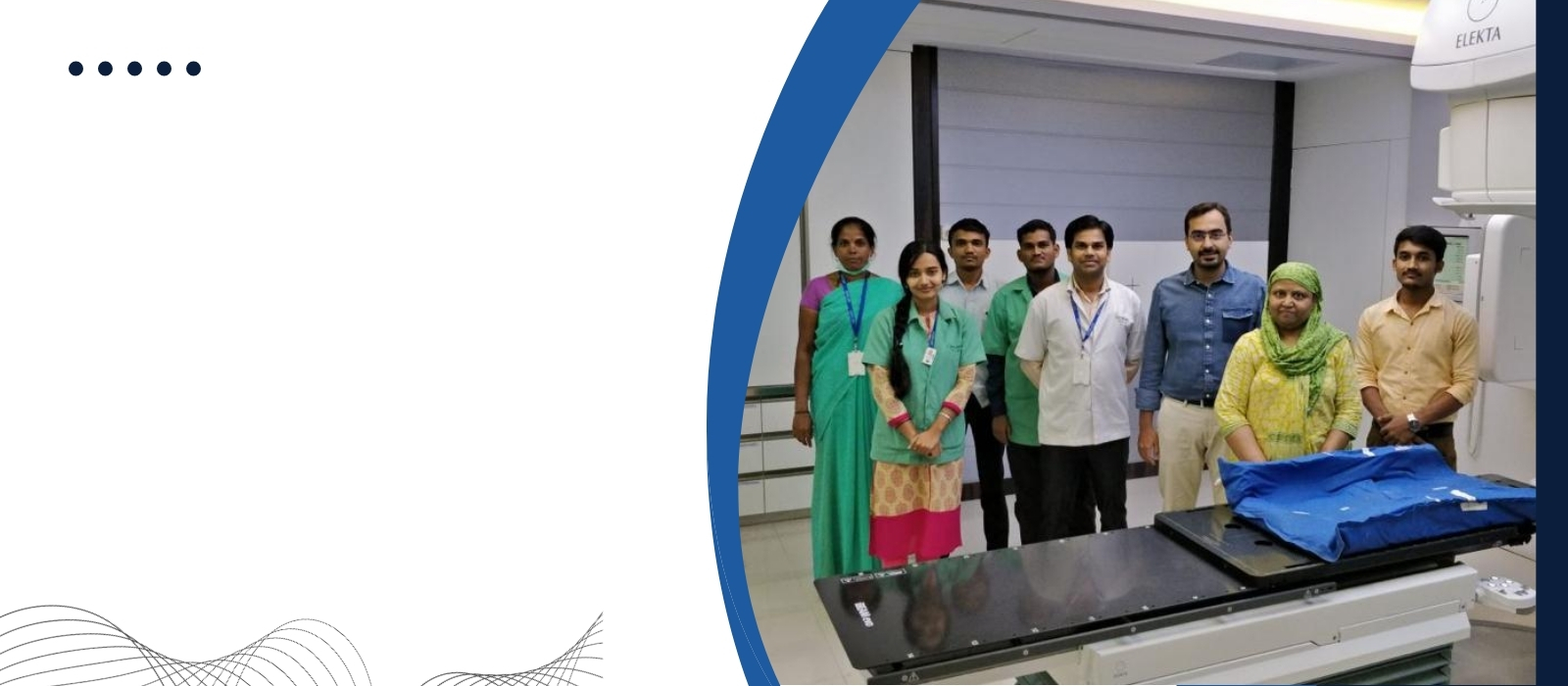
Specialized in Stereotactic Radiation and Radiosurgery Treatments
High-precision therapies targeting difficult and complex tumors
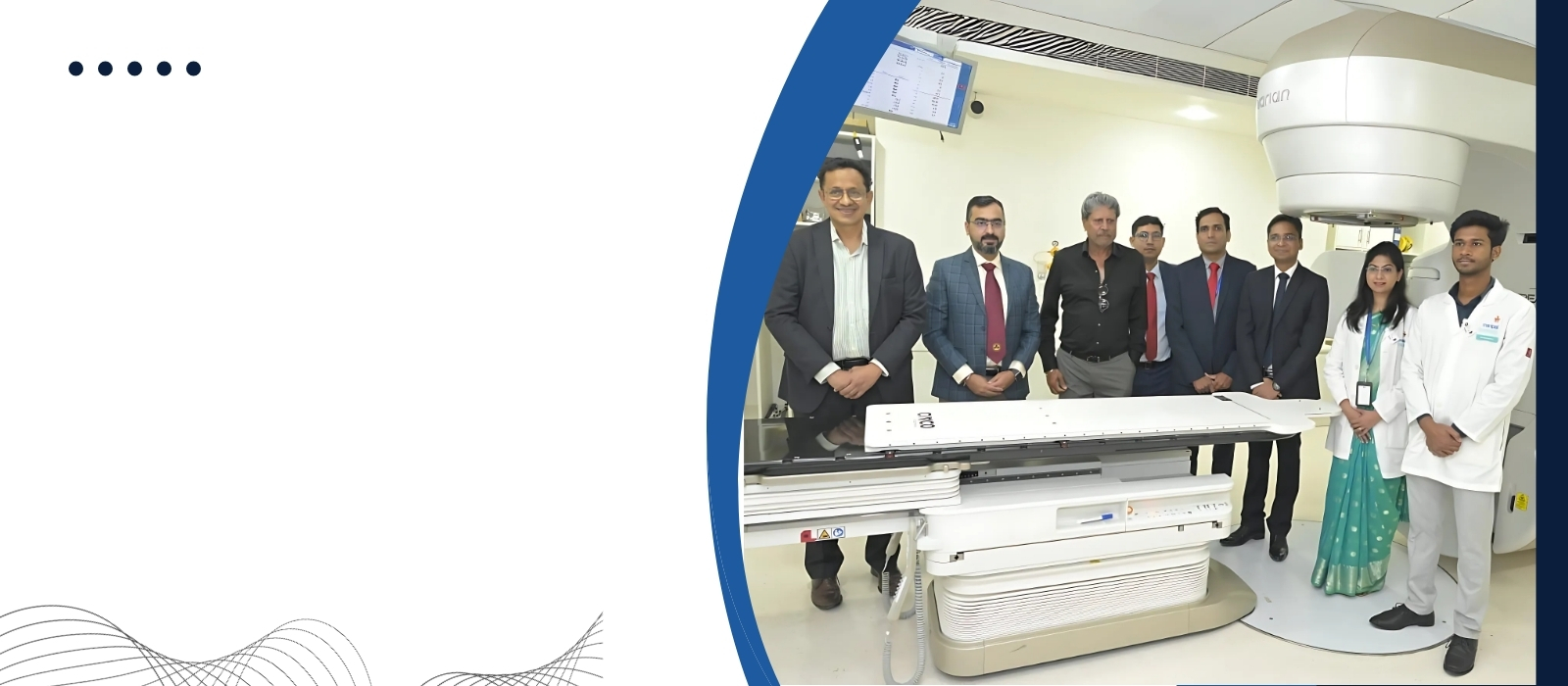
Comprehensive Cancer Care Including Chemotherapy and Palliative Support
Ensuring holistic treatment for better patient outcomes
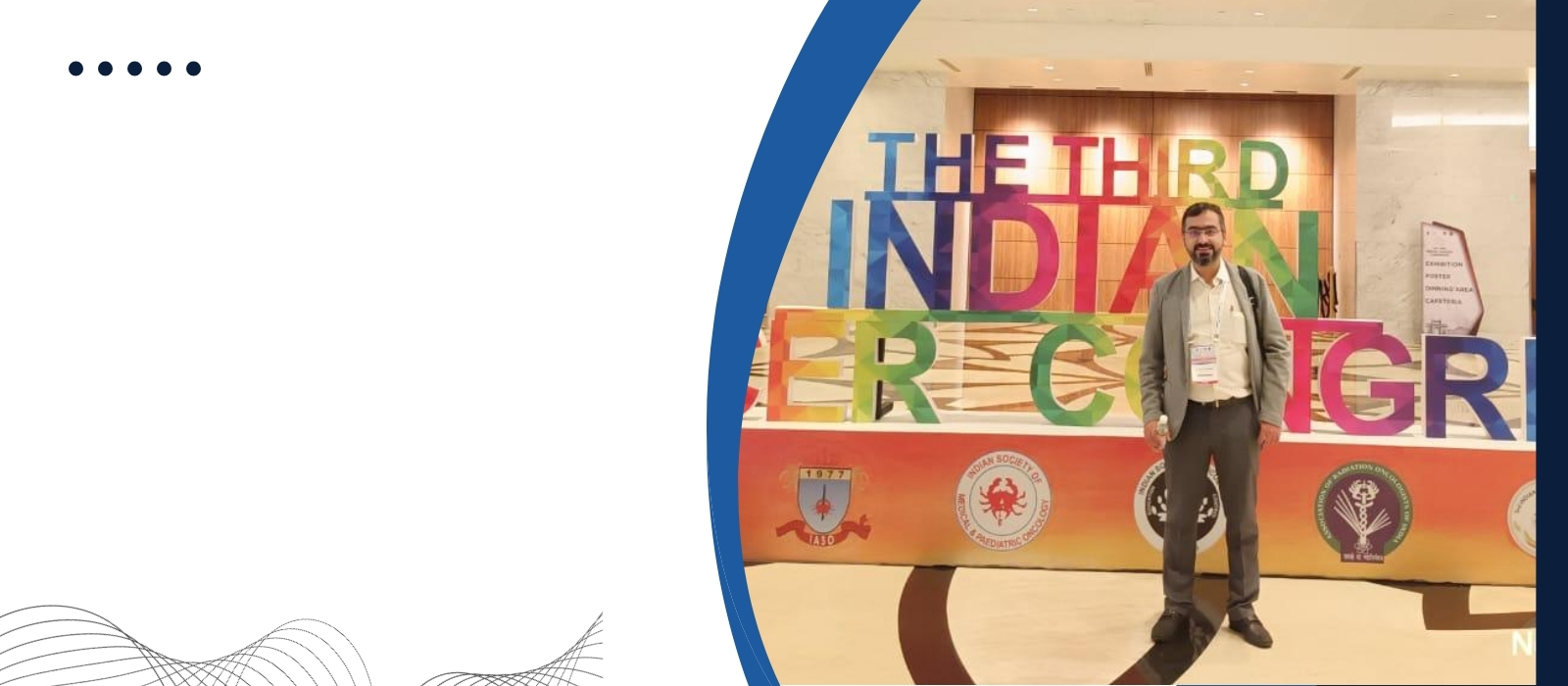
Skilled in Brachytherapy – Intracavitary and Interstitial Methods
Delivering targeted radiation safely and efficiently to patients
.jpg)
.jpg)
.jpg)
.jpg)

The doctor is really professional on what he is doing .. listening to all the concerns without interruption and reply to you in a way that shows his knowledge and humbleness .. thanks to him and to Manipal hospital team
Aldalali Ahmed
Dr. Karan Chanchlani
About Us
Dr. Karan Chanchlani – Expert Radiation Oncologist in Baner, Pune
Dr. Karan Chanchlani specializes in Radiation Oncology, focusing on delivering precise and effective radiation therapies for various cancers. His expertise encompasses advanced techniques such as 3D Conformal Radiation Therapy (3DCRT), Intensity-Modulated Radiation Therapy (IMRT), and Image-Guided Radiation Therapy (IGRT), all aimed at maximizing tumor control while minimizing damage to surrounding healthy tissues.
A significant aspect of his practice is Respiratory Motion Management, including 4D Planning, Tracking and Gating, and Breath-Hold techniques like Deep Inspiration Breath-Hold (DIBH), which are crucial for treating tumors affected by respiratory motion. He also specializes in Stereotactic Body Radiation Therapy (SBRT) and Stereotactic Radiosurgery (SRS), offering high-precision treatments for tumors in challenging locations.
In addition to external beam radiation, Dr. Chanchlani is proficient in Brachytherapy, including Intracavitary and Interstitial types, providing targeted treatment for various cancers. His comprehensive approach integrates chemotherapy and palliative care, ensuring holistic management of cancer patients. Dr. Chanchlani's commitment to personalized care and his proficiency in cutting-edge techniques make him a trusted specialist in the field of Radiation Oncology.
14+
Years Of Experience
10K+
RadiationTherapy Administered
25K+
Happy Patients
Our Specialization

Breast Cancer

Uro-Oncology

Neuro Oncology

Sarcoma and Bone Cancer

Lung cancer and Thoracic Oncology

Head and Neck Cancer

Lymphoma Cancer

Gastrointestinal (GI) Cancer

Thyroid Cancer

Paediatric Cancer

Palliative Care
Our Healthcare Services
Comprehensive Oncology Care Including Radiation, Chemotherapy, and Palliative Support


Dr. Karan Chanchlani
Oncologist
.png)
- MD - Radiation Oncology
- 14.0 Years Of Experience
- Licence No. MMC 2008/07/2862
- Call
- Video Call
- In person
Videos
Our Latest Videos


Media Pictures
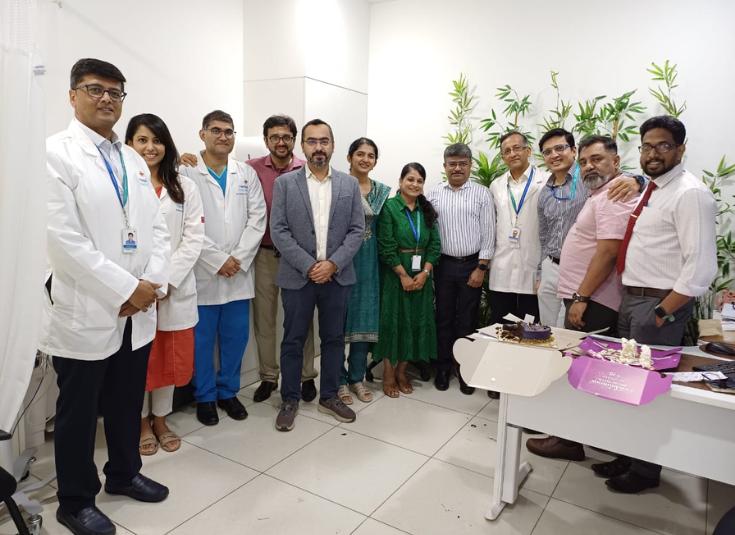
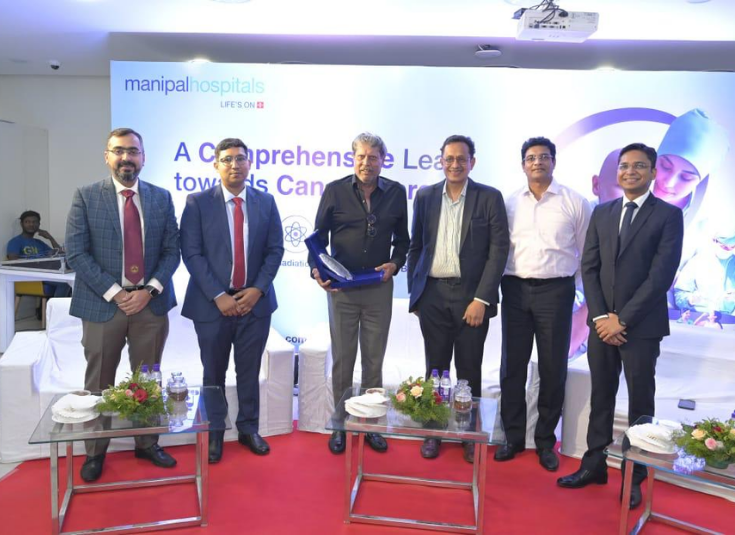
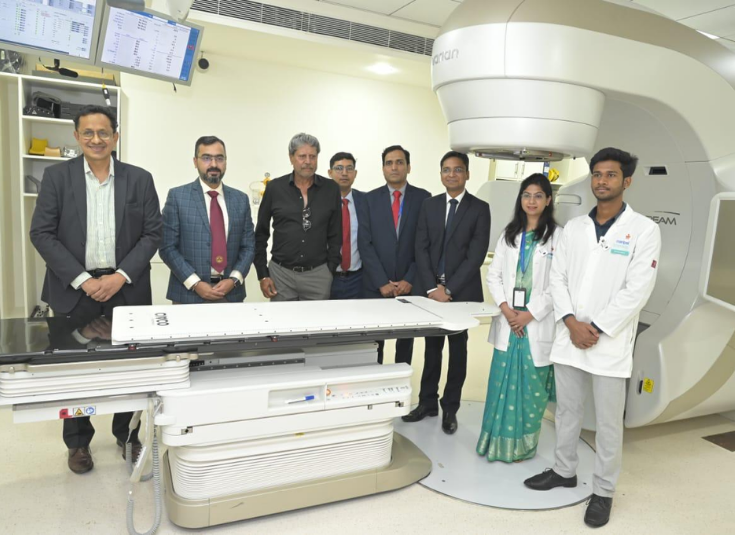
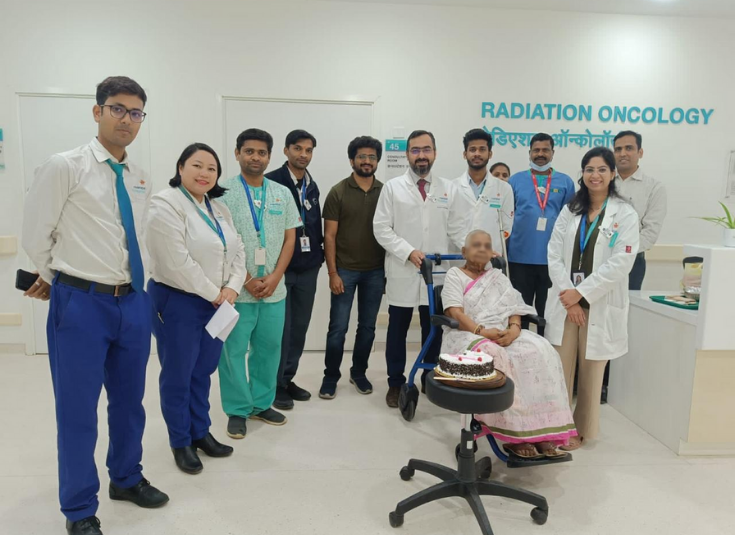
Frequently Asked Questions
Need Answers? Find them here...
What are Dr. Karan Chanchlani's qualifications and experience in cancer care?
Dr. Karan Chanchlani is a distinguished Radiation and Clinical Oncologist at Manipal Hospital, Baner, Pune, with over 12 years of dedicated experience in cancer care. He completed his MBBS from Seth G.S. Medical College and KEM Hospital, Mumbai, followed by an MD in Radiotherapy from PGIMER, Chandigarh. He also underwent senior residency training at Tata Memorial Hospital, Mumbai, one of India's premier cancer institutes. His extensive training and experience make him well-equipped to handle complex oncological cases.
What type of cancer treatments does Dr. Karan Chanchlani offer?
Dr. Karan Chanchlani offers state-of-the-art cancer treatments at Manipal Hospital, Baner, Pune, including advanced radiation therapies. He tailors comprehensive care to individual patient needs, ensuring they receive the most effective treatment. With his clinical acumen and compassionate approach, he excels in simplifying complex medical information, which helps patients feel well-informed and comfortable with their treatment plans. Since joining Manipal Hospitals in 2020, he has earned recognition for making cutting-edge cancer care accessible and patient-centered.
What sets Dr. Karan Chanchlani apart in his approach to cancer care ?
Dr. Karan Chanchlani's approach at Manipal Hospital, Baner, combines advanced radiation therapies with a compassionate and patient-oriented focus. Known for simplifying complex medical information, he ensures that his patients are well-informed and comfortable with their treatment plans. This combination of clinical acumen and empathy has earned him recognition among both patients and peers, reflecting his commitment to providing comprehensive, personalized cancer care.
How is Palliative Care integrated into the cancer care continuum?
Palliative Care is integrated into cancer care beyond end-of-life situations. It begins at diagnosis and continues through treatment, recovery, or in cases of advanced disease. By focusing on managing symptoms, psychological support, and improving life quality, clinical oncologists ensure that patients receive holistic care. This seamless integration allows patients and families to maintain dignity and comfort throughout their cancer journey, regardless of prognosis.
What is the importance of Brachytherapy in cervical cancer treatment?
Brachytherapy is a critical component in cervical cancer treatment as it delivers targeted high-dose radiation to the cervix. Its ability to focus radiation precisely at the cancer site minimizes exposure to adjacent organs like the bladder and rectum. This precise delivery enhances cancer control rates while reducing treatment-related side effects, making it an effective option for both early-stage and more advanced cervical cancers.
How does Respiratory Motion Management benefit lung cancer treatment?
Respiratory Motion Management is crucial for treating lung cancer as it addresses the challenges posed by breathing-induced tumor movement. By using techniques like real-time tracking and gating, oncologists can accurately position radiation beams, ensuring effective dose delivery to the tumor while minimizing exposure to surrounding lung tissue. This precision helps in reducing side effects, improving treatment outcomes, and enhancing patient safety during radiation therapy.
Why is Chemotherapy combined with radiation therapy in some treatments?
Chemotherapy is often combined with radiation therapy to enhance treatment efficacy, a strategy known as chemoradiation. By sensitizing cancer cells to radiation, chemotherapy can increase tumor shrinkage and improve local control. This combination is useful in treating various cancers, such as head and neck, cervical, and certain lung cancers. Oncologists tailor these treatments to maximize outcomes while managing potential combined side effects.
What is the significance of Stereotactic Radiosurgery for brain tumors?
Stereotactic Radiosurgery represents a vital option for treating brain tumors, offering precise, high-dose radiation to targeted areas in a non-invasive manner. It significantly reduces the need for conventional surgery and is ideal for patients unable to undergo surgical procedures. This technique allows for shorter recovery times, minimal complications, and the possibility of treating deep-seated or multiple brain tumors effectively with high precision.
How are Advanced Radiation Techniques integrated into treatment plans?
Advanced Radiation Techniques are integrated into treatment plans based on the type, location, and stage of cancer. Oncologists utilize tools like 3D planning, IMRT, and IGRT to optimize radiation doses while preserving healthy tissues. This tailored approach requires careful assessment and planning to match the most suitable radiation technique with each patient's unique situation, ensuring effective treatment while minimizing potential adverse effects.
What advancements have been made in Clinical Oncology?
Advancements in Clinical Oncology have been significant, including the development of targeted therapies and immunotherapies, enhancing precision medicine. Innovations like stereotactic radiosurgery and advanced imaging techniques improve treatment targeting. Additionally, breakthroughs in understanding cancer biology and genetic profiling allow personalized treatment plans, increasing success rates and minimizing side effects. Such progress demonstrates promising pathways in effective cancer treatment and management.
How does Palliative Care support cancer patients?
Palliative Care is specialized medical care aimed at improving quality of life for people with serious illnesses like cancer. It focuses on relieving symptoms, pain, and stress, regardless of the patient's stage of disease. Clinical oncologists work with a multidisciplinary team to provide supportive care tailored to individual needs, ensuring compassionate assistance and holistic management during and after active cancer treatment.
What is the role of Chemotherapy in cancer care?
Chemotherapy uses drugs to kill or inhibit the growth of cancer cells throughout the body. It can be used as a primary treatment or in conjunction with surgery and radiation therapy to shrink tumors, prevent metastasis, and alleviate symptoms. Despite its systemic nature and side effects, chemotherapy remains a cornerstone of cancer management, requiring careful oversight by clinical oncologists to balance effectiveness and quality of life.
How is Brachytherapy used in treating cancer?
Brachytherapy involves placing radioactive materials directly inside or near a tumor. This technique allows for high doses of radiation in a localized area, reducing the exposure of healthy tissues. It is commonly used for prostate, cervical, and breast cancers, offering benefits like shorter treatment times, less side effects, and the potential for better outcomes compared to external beam radiation therapy.
What is the role of Stereotactic Radiation and Radiosurgery in cancer treatment?
Stereotactic Radiation and Radiosurgery provide high doses of radiation to targeted areas, often in fewer sessions than traditional therapy. Used for small, localized tumors, they deliver precise treatment with minimal exposure to surrounding healthy tissue. Radiosurgery is particularly effective for brain and spinal tumors, offering an option for patients ineligible for conventional surgery and contributing to rapid recovery times and excellent local control.
How does Respiratory Motion Management and 4D Planning improve radiation therapy?
Respiratory Motion Management and 4D Planning are used in radiation therapy to account for tumor movement caused by breathing. By tracking this motion, oncologists can deliver precise doses of radiation, reducing treatment to healthy tissue and improving the accuracy of tumor targeting. This results in more effective treatments, especially for cancers in the chest and abdomen where movement is significant.
What are Advanced Radiation Techniques?
Advanced Radiation Techniques refer to the latest methods used in radiation therapy, which aim to enhance treatment precision and effectiveness. These techniques include Intensity Modulated Radiation Therapy (IMRT), Image-Guided Radiation Therapy (IGRT), and Volumetric Modulated Arc Therapy (VMAT). They allow clinical oncologists to target tumors more accurately, minimizing damage to surrounding healthy tissue, thus improving outcomes and reducing side effects.
What is Clinical Oncology and why is it important?
Clinical Oncology is a medical specialty focused on the treatment of cancer using various methods such as chemotherapy, radiation therapy, and surgery. Oncologists play a crucial role in diagnosing cancer, planning individual treatment, and managing care throughout the cancer journey. They utilize advanced radiation techniques to maximize treatment effectiveness, minimize side effects, and improve a patient’s quality of life.
Location & Location Map
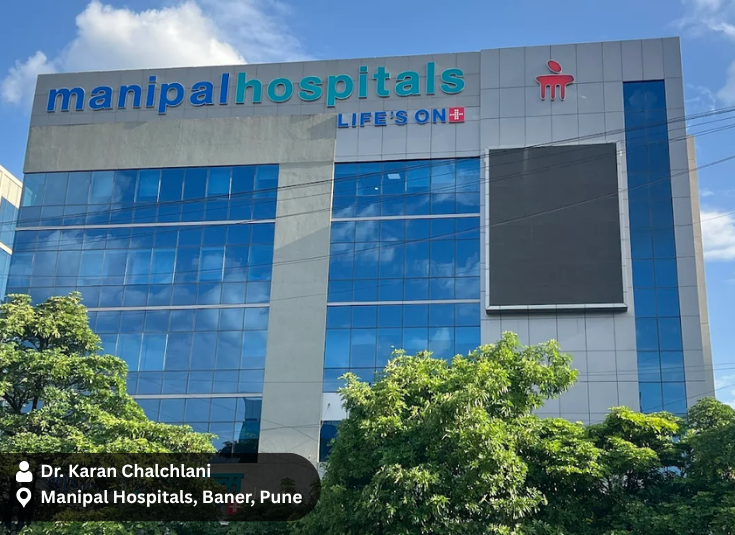
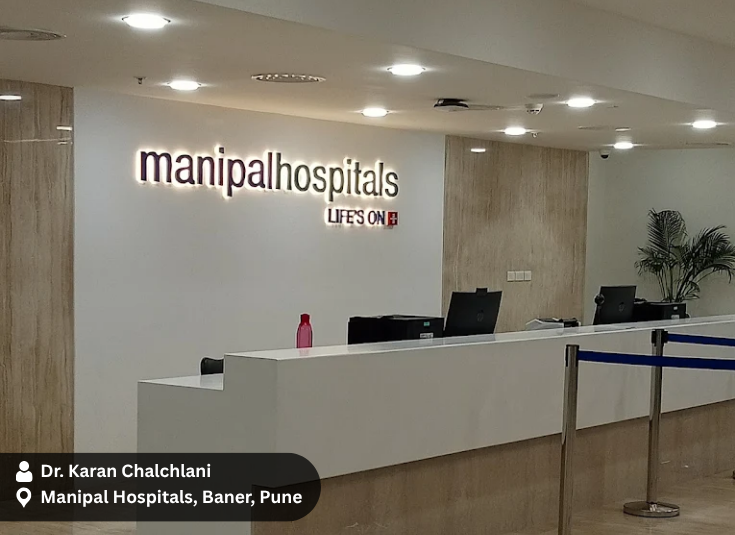
 Address :Manipal Hospital, baner, Opp D-Mart, Survey No 111/11/1, Veerbhadra Nagar Rd, Baner - Mahalunge Rd, Baner, Pune 411045, Maharashtra
Working Hours
MONDAYClosed
TUESDAYClosed
WEDNESDAYClosed
THURSDAYClosed
FRIDAYClosed
SATURDAYClosed
SUNDAYClosed